October 11, 2026
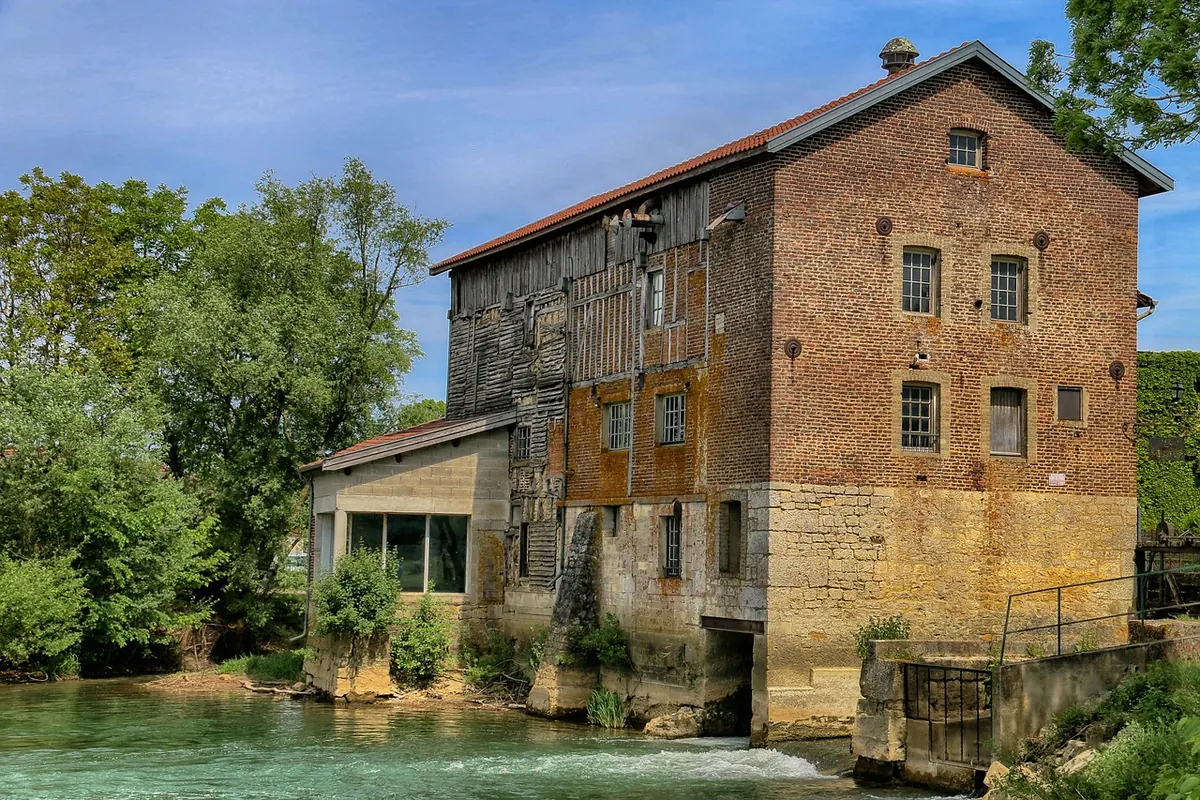
A mill trail is a walk with water in it. Whatever the month, the route keeps returning to the same fixed points: the weir, the leat, the wheel pit, the stone bridge below the old grinding floor. What changes — sometimes from one week to the next — is how much water is moving, how much of the path has turned to mud, and how many other people had the same idea you did. Choosing a season here is less about picking a favourite month than about matching the weather to what you actually want from the day: fast water and wildflowers, or dry footing and long views, or bare branches that finally let you see the mill workings you walked past all summer without noticing.
Spring: High Water, Soft Ground, Fresh Green
Spring is the season of noise. Snowmelt and steady rain push the stream to its highest level of the year, the weir runs as a solid sheet of white, and the old sluice gates rattle with water that has not been through them since the previous March. If your idea of a mill walk is standing on a footbridge feeling the spray come up through the planks, this is your window — usually four to six weeks, depending on how high the trail sits.
The trade-off is underfoot. Clay tracks along the leat hold water for days, boardwalk sections can be submerged, and the low path beside the millpond often floods first and drains last. Plan on waterproof boots rather than trail shoes, and treat any stepping stones that are under an inch of fast water as closed. It is not worth it.
What you get in return is the best greenery of the year. Look for marsh marigold in the wet ground beside the overflow channel, wood anemone and bluebells in the woodland above the mill, and cuckooflower on the damp verges. Nettles come up fast too, so long trousers help once you are past mid-season. Start early: spring afternoons bring showers and the paths are quieter before ten.
Summer: Low Water and Long Evenings
By July the stream is often a shadow of its spring self. The millpond goes still and green at the edges, the leat may run dry entirely, and stones that were underwater for the rest of the year appear — the old weir crest, the stone lining of the channel, sometimes the footprint of a building that stood beside the wheel. For anyone curious about how the mill actually worked, low water is a gift.
Footing is at its easiest: the mud is gone, the crossings are shallow, and families with younger children tend to find these months the most forgiving. Go early or late, though. The open meadow stretches between the mill and the next bridge bake in the afternoon, and the wooded sections become humid and midge-heavy at dusk. Take more water than you think you need, wear a hat on the exposed parts, and keep half an eye on the sky — summer thunderstorms can raise a small stream quickly, even one that looked ankle-deep an hour earlier.
It is also the best season for sitting still. Dragonflies patrol the millpond, dippers work the riffles below the weir, and herons stand in the shallows with the patience of something that has all day.
Autumn: Colour, Low Sun, and Slippery Leaves
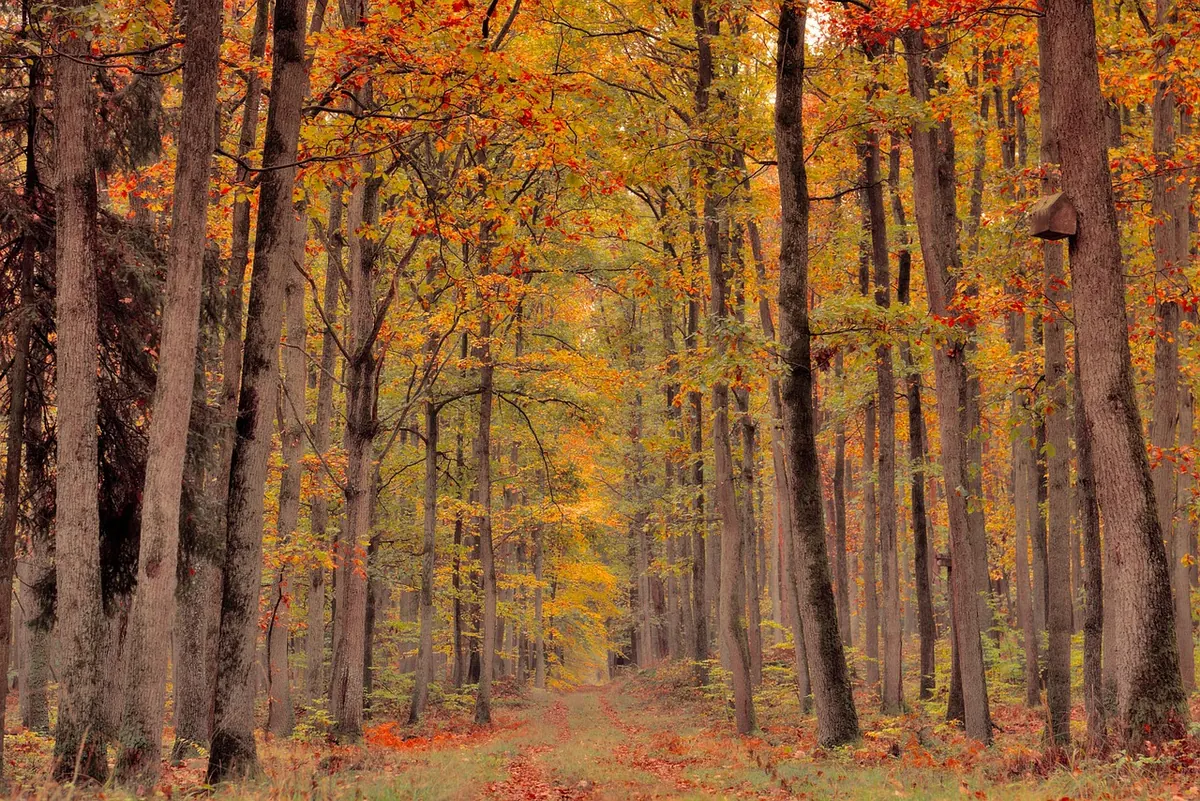
Autumn is the connoisseur's season on a mill trail, and for good reason. The woodland above the water turns, the millpond holds a reflection of it, and the low sun comes straight down the valley in the late afternoon. Rain returns and the stream finds its voice again after the quiet of August.
The one real hazard is leaf litter. Wet leaves on stone slabs, wooden bridges and the stone steps around the wheel pit are genuinely slippery, and they hide roots and loose cobbles underneath. Shorten your stride on descents, use the handrail where there is one, and consider poles if you have knee trouble. Early autumn storms also drop branches; if a storm came through in the past few days, expect minor obstructions on the narrower sections.
Timing matters. In most temperate regions the sweet spot falls somewhere between mid-October and mid-November — after the first proper colour, before the trees are bare. As the canopy thins, the trail's architecture reappears: the dam wall, the overflow, the dry channel that once fed a second wheel. Many regulars say they notice something new on a mill walk every November that they had never seen in June.
Winter: Bare Branches, Ice, and Short Days
Winter strips the trail back to its bones. With the leaves gone you can trace the whole water system at a glance — where the stream was diverted, where it dropped, where the tailrace carried it away. Frost and low mist over the millpond make for the most atmospheric photographs of the year, and snow records exactly who walked before you: deer, fox, and the occasional early riser.
It is also the season that demands the most respect. Stone slabs and wooden boards freeze hard and stay icy in the shade all day, even when the sunny sections have thawed. Ford crossings can be impassable, and the ground beside the wheel pit — usually fenced, sometimes not — deserves a wide berth. Daylight is the other constraint: on a short winter day, a loop that takes four hours in July may need to be cut to two, with a headtorch in the pack as insurance. Check the local forecast and any trail closures before setting out, and turn back rather than push on through slush that is refreezing.
Crowds, Parking, and Water Levels at a Glance
The same trail can feel like two different places depending on who else is on it. A rough seasonal guide:
- Spring: Moderate midweek, busy on the first warm weekends. Parking near the mill fills by mid-morning; the upper car park usually has space.
- Summer: Busiest of all, especially school holidays and weekend afternoons. Arrive before nine or come after four for the evening light and empty paths.
- Autumn: Popular with photographers on bright weekends, quiet on grey ones. Leaf-peeping weekends are the exception.
- Winter: The quietest by far. Some facilities and cafés near the trail close for the season, so carry your own food and water.
Water levels follow the same rhythm: highest in early spring and after autumn rain, lowest in late summer, and unpredictable in winter, when a thaw can change a gentle brook into something you should not cross.
A Practical Plan for Any Season
If you only walk the trail once, choose autumn. If you want the water at its most dramatic, go in spring and accept muddy boots. If you are bringing children or want easy footing, take a summer morning. If you want solitude and can handle ice and a short day, winter will give you the trail almost to yourself.
Whoever you are, a few habits cover all four seasons: check the forecast and the river level before you leave, tell someone your route if you are going beyond the main loop, carry a small torch year-round, and wear boots with real tread on stone. Pack a dry layer in spring and autumn, water and a hat in summer, and a thermos in winter. Then walk the same trail again in a different month. Mill paths reward repetition more than almost any other kind of walk, because the thing you came to see — the water — is never quite the same twice.
Photo: Peggychoucair / Pixabay