October 29, 2026
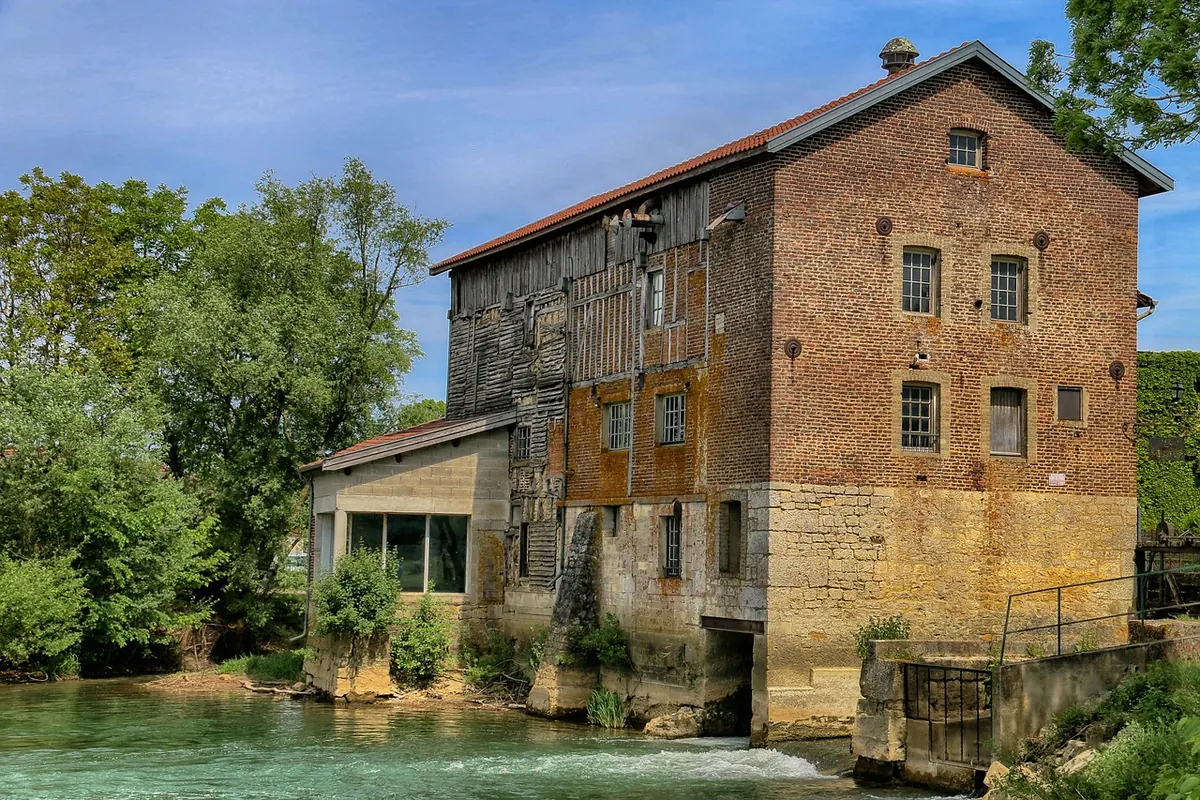
A mill trail is rarely just a path. It follows a stream because the stream is the reason the path exists in the first place. Somewhere along the way there is a stone weir, a silted leat, a wall with a rusted iron wheel bracket still bolted to it. The walk is built around that water, and the water almost always runs in one direction through a valley shaped like a corridor. That single fact shapes everything about how you should walk it.
Which brings up the question every hiker faces at the trailhead: circle back on a loop, or walk out and retrace your steps? On mill trails the answer is less obvious than it is on a mountain summit, and it depends far more on the valley than on personal taste.
The two shapes, plainly
A loop returns you to your starting point without repeating ground. An out-and-back takes you along a route and brings you home the same way. Simple enough. What matters on a mill trail is what each shape forces you to add.
Loops are never free. To close a circle around a stream, someone had to build a connecting path, and on mill trails that connector usually crosses farmland, a road, or a wooded shoulder above the valley. Out-and-backs are also never free: you pay for them in repeated ground. The question is which cost you would rather pay on the day.
What a loop gives you, and where it bites
The appeal of a loop is momentum. Every step is new, the day feels like a journey rather than a there-and-back errand, and there is no moment where you have to decide to turn around. Groups tend to move better on loops because nobody is walking into the back of the person ahead.
The catch sits in that connector. On a well-designed loop, the link between the upstream path and the return leg is a pleasant ridge track or a lane between old orchard walls. On a poorly designed one, it is forty minutes of asphalt shoulder with traffic on your left. If you are choosing between routes, read the connector carefully on the map before anything else. A trail's character is often decided by that one third of the circuit nobody photographs.
Why out-and-back suits mill trails unusually well
Most walks are duller on the return leg. Mill trails are the exception, because the return is not the same walk reversed. You are facing the other way, and the valley arranges itself differently.
Walking upstream you notice the mill buildings ahead of you, the wheel pit, the height of the drop. Walking downstream you see the water leaving, the tailrace, the way the stream widens and slows below the weir. A mill is a machine for using gravity, and gravity only reads clearly in one direction at a time. You get two different walks for one set of boots.
There is a practical advantage too. Mills cluster along a watercourse in a line: one every kilometre or so, wherever the gradient allowed. An out-and-back lets you follow that line as far as you like and stop at the last interesting mill, without needing a connecting path to exist. You choose your own distance.
Scenery: pick the shape the valley offers
Loops belong in open, rolling country
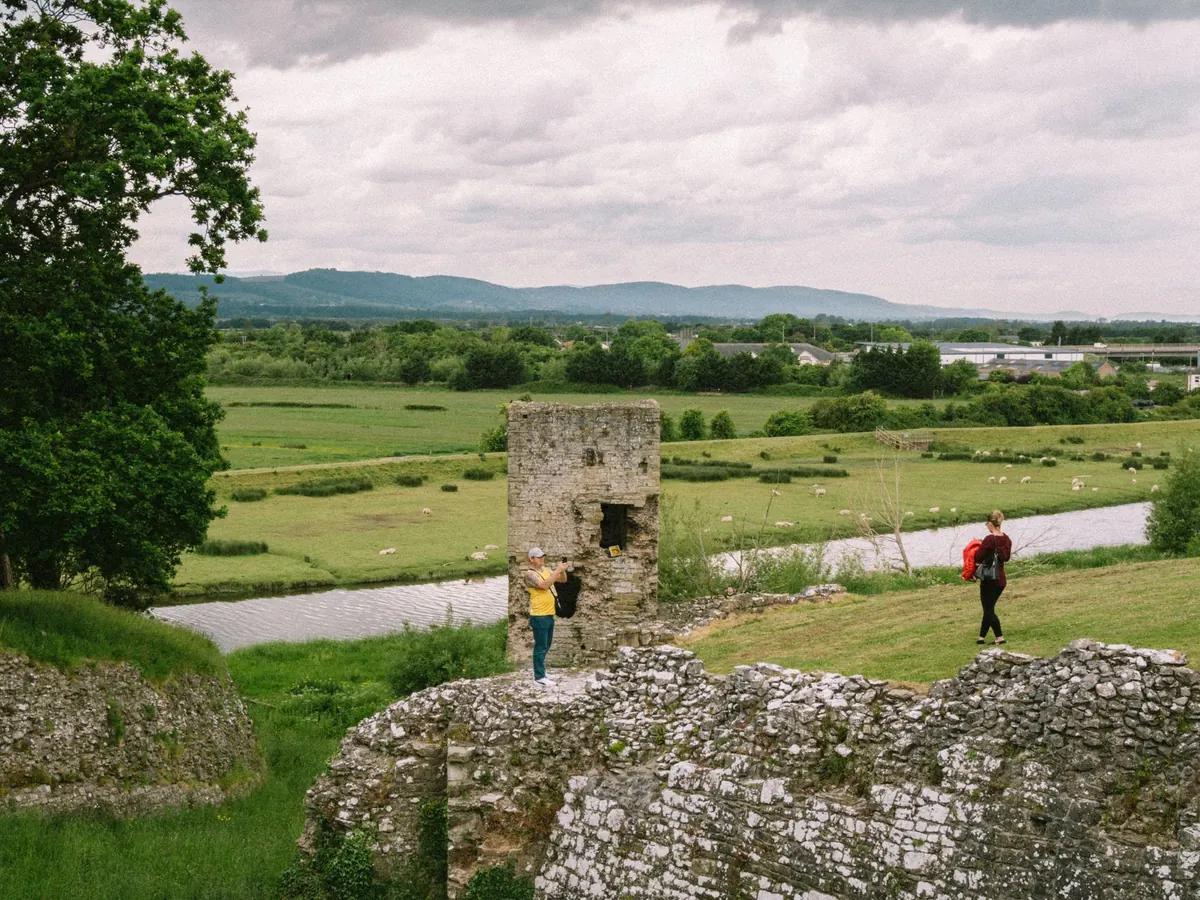
Where the stream meanders through meadows, the loop is king. Wide basins have lanes, field edges and farm tracks that naturally connect one bank to the other, and the higher return leg gives you the classic view back down over the water. You get variety: intimate riverside, then open farmland, then a last descent to the car.
Out-and-back belongs in gorges and ravines
Where the stream cuts a narrow gorge, a loop has to climb out and traverse high above it, which means a great deal of ascent for a view of the water from far away. The out-and-back keeps you beside the water the whole way. On steep-sided mill valleys the flat route along the stream is usually the reason people came.
Time and effort: an honest estimate
Out-and-back is often described as double the one-way time. That is close, but it is slightly optimistic. The return leg costs a little more than the outward leg for most walkers because fatigue accumulates and the small stops — a photo at the weir, a pause at the bridge — do not repeat.
For loops, the trap is elevation. A circuit that looks like the same length as an out-and-back can carry twice the climbing if the return leg goes over a shoulder. Budget time for ascent, not just distance. As a rough planning habit, add an hour for every 300 metres of climbing on top of your flat-ground pace, then add a buffer for the things mill trails are full of:
- Wet stone at fords and weir crossings, which slows everyone down
- Wooden footbridges that take one person at a time
- Stiles, gates and squeeze gaps on the connector paths
- Long, interested pauses at ruined mill buildings
- Mud on the shaded, north-facing bank, which is often the whole path
Navigation: where the shapes really differ
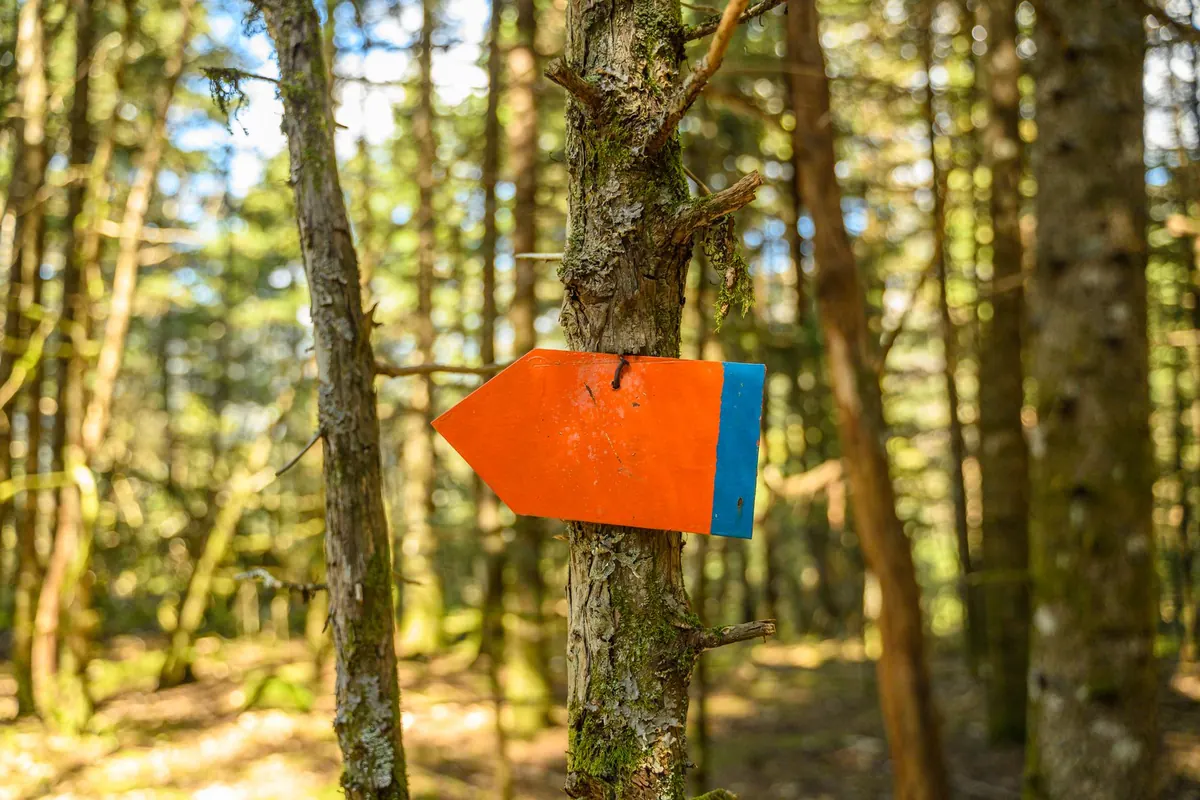
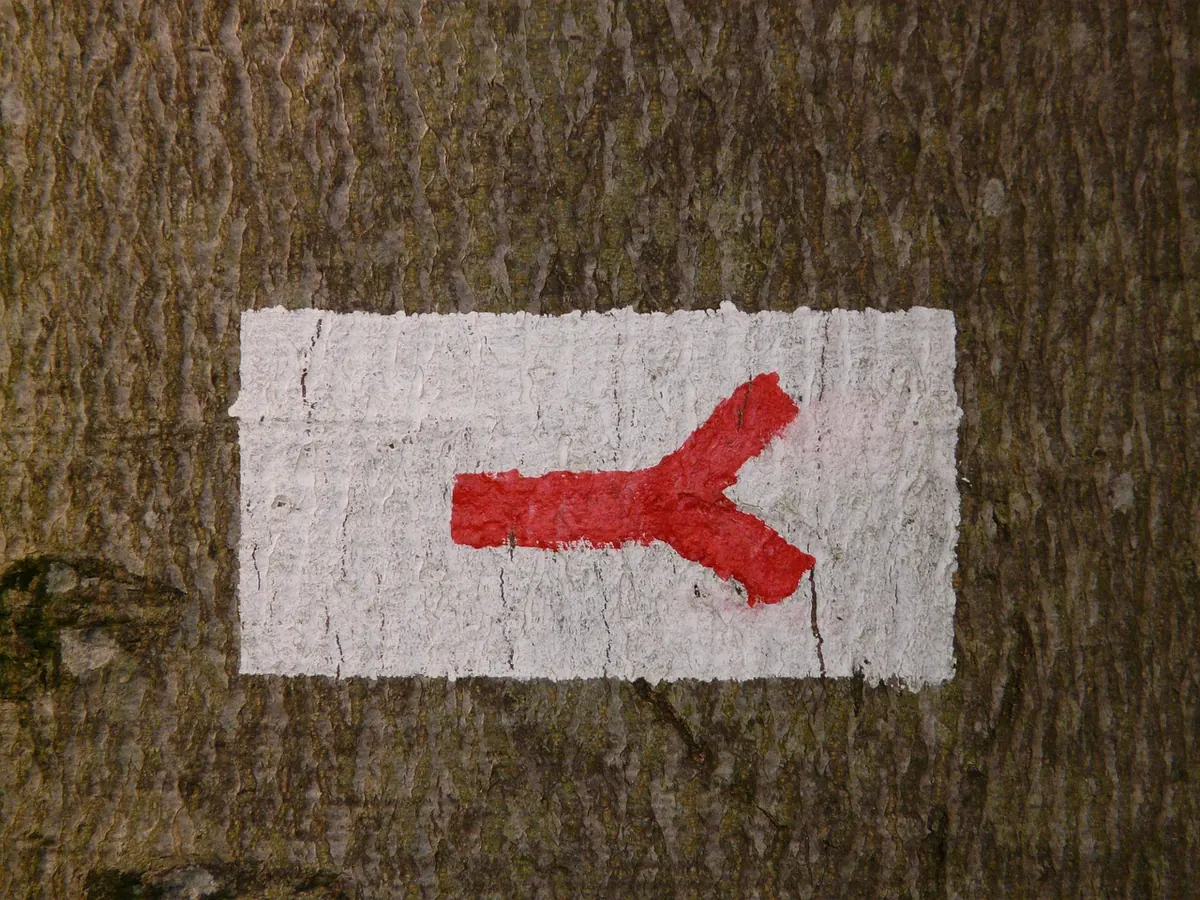
An out-and-back is forgiving. You only have to find your way once; coming home, the junctions you passed are still junctions, now pointing the other way. The classic error is walking straight past a turn you remember as a fork, because in the opposite direction it reads as a minor side track. Note your turns on the way out — a mental list of three or four landmarks is usually enough.
A loop is less forgiving. One missed turn and you have committed yourself to a longer day, sometimes in the wrong direction, sometimes on a path that fades out entirely. Loops also hide their hardest navigation at the end, when you are tired and the light is going.
Before you set off on either shape, run through a short check:
- Load an offline map on your phone; stream valleys lose signal quickly.
- Mark the connector or turnaround point clearly, and note the distance to it.
- Check where water crossings sit and whether they have bridges.
- Note the sunset time and subtract an hour for the return.
- Tell someone your route and expected finish, especially on quiet mill trails.
A five-minute decision before you set off
Stand at the trailhead and ask three questions. Is the water in a gorge or in open country? A gorge means out-and-back; open country means the loop is probably worth it. Does the connector on the loop look like a lane or a road shoulder? If it is a road shoulder, take the out-and-back and enjoy the water instead. And how is everyone feeling? A group with children, or anyone carrying an injury, usually has a better day on an out-and-back, because you can shorten it at any point without breaking the shape of the route.
One last thing worth saying: you do not have to commit at the car park. On many mill trails you can start upstream with the intention of turning around at a named mill, then decide at that mill whether to continue. That flexibility is the quiet advantage of the out-and-back, and it costs you nothing but the willingness to change your mind. Whichever you choose, leave the weir stones dry underfoot for whoever comes next, and take the low path home.
Photo: Hans / Pixabay