October 30, 2026
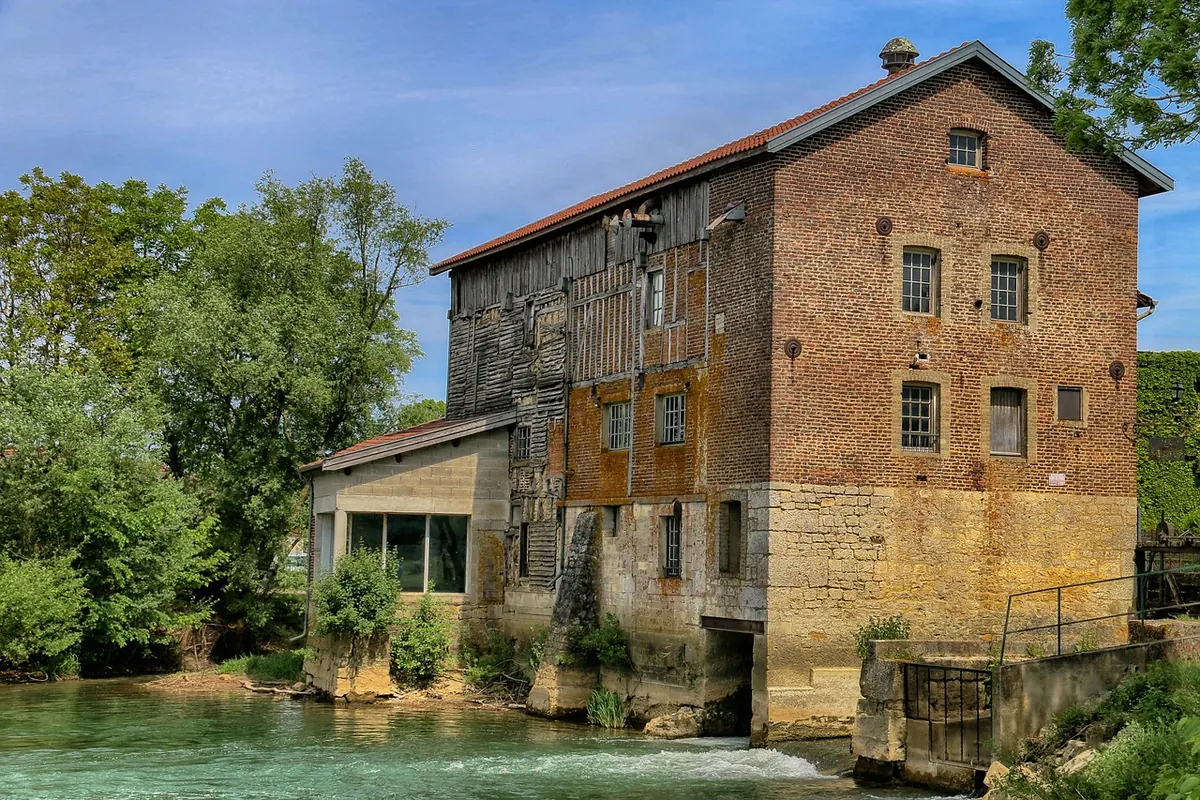
You hear the water before you see the building. A low, steady rush behind a stand of alders, then a stone wall, a dark doorway, and a wheel standing still or turning with a creak you feel in your teeth. Mills sit where paths have always crossed water, which is why so many make natural endpoints for a day's walk — and why so many are half-private, half-forgotten, and more fragile than they look. Half an hour of checking before you leave the house will save you a locked gate, a missed tour, or an awkward conversation with the family who still farms the land around the old building.
Start With the Eight Questions
Keep these in mind while you plan. The answers change from site to site, and often from month to month, so treat them as things to confirm rather than facts to assume.
- Who owns the land the last stretch of path crosses, and is access clearly public?
- Do I need to book, or can I simply turn up?
- What are the opening hours this week — not last summer's?
- Is the mill working, restored but static, or a ruin?
- What did it grind or drive, and who ran it?
- What are the hazards — water, machinery, old stone, animals?
- What facilities exist nearby, and where exactly do I park?
- What does the site ask of visitors — dogs, drones, gates, picnics?
Access and Opening Times: The Questions People Skip
The final approach is where most mill visits go wrong. A path shown on a map may cross a farmyard, a hay meadow, or a bridge that belongs to a private estate, and the fact that walkers have used it for decades does not always make it a right of way. Look at the signage where you parked, not just the route notes you downloaded. If the trail is managed by a local group, a parish or a pro loco, their page usually states where the public route runs and where you should not stray. When in doubt, ring the town's tourist office or the nearest visitor centre and ask directly. It takes two minutes.
Opening times deserve the same suspicion. Small mills are often run by volunteers who open on Sunday afternoons in summer, by appointment for groups, or only when the water is high enough to turn the wheel. A single photo online can keep a site looking permanently open for years. Confirm the current week, ask whether the last entry is earlier than closing, and find out whether the building is accessible at all if you have limited mobility — many have a step, a narrow door and a floor that has never been level.
Season matters too. Spring meltwater and autumn rain can close a riverside path; a dry August can leave the wheel motionless and the millpond empty. None of that ruins a visit, but knowing it in advance means you arrive curious rather than disappointed.
Condition and History: Knowing What You're Looking At
Ask what stage of life the mill is in. A working mill still grinding grain will usually have a miller on site, a shop, and a floor you may be asked not to walk on while the stones are running. A restored but static mill is a small museum: good for machinery, often short on atmosphere. A ruin is a different kind of visit altogether — beautiful, sometimes dangerous, and rarely signed in detail. Each demands a different pair of shoes and a different set of expectations.
Then give yourself the story. Was it a grain mill, a chestnut mill, an olive press, a fulling mill for wool, or a sawmill driven by the same wheel? In hill country, knowing that a building dried chestnuts before milling them explains the low stone shed next door that would otherwise look like a ruin. Look for the name carved above the door, the dates on a lintel, the ghost of a leat in the grass. A parish history, a local booklet, or the plaque by the gate will tell you more than any general guide, and you will notice far more when you know what you are looking for.
Safety on Site
Mills were built for work, not for visitors. The hazards are ordinary and easy to underestimate.
- Wet stone and moss on steps, sluices and mill floors. Wear shoes with real grip, not smooth soles.
- The wheel and its machinery, which can start without warning if someone upstream opens a gate. Never climb on a wheel or reach in to feel it move.
- Water: millponds, races and tailraces have steep, slippery banks and no easy exit. Keep children back from the edge.
- Low beams, unguarded openings and loose floorboards inside older buildings.
- Dust, mould and animal droppings in buildings that are rarely aired.
- Livestock and dogs on the approach, plus wasps in rafters and outbuildings in late summer.
Follow local signage over anything you read here, and stay out of buildings that are taped, chained or plainly unsound. Tell someone your route, since phone signal in a steep valley is often patchy. If you have a health condition or a mobility limit that makes uneven ground difficult, it is worth a word with your doctor about what is sensible before you go.
Manners, Dogs and Drones
Most historic mills survive because somebody nearby cares about them, and that person is often the one whose yard you are crossing. Keep dogs on a lead around livestock and in mill courtyards, close every gate you open, and use the latch rather than climbing over. Ask before flying a drone: many owners refuse, and local rules may restrict it near buildings and wildlife. A picnic on a bench by the stream is usually welcome; a picnic spread across a working yard is not.
Small purchases keep these places alive. Buy a bag of flour, a jar of honey, a guidebook, or leave something in the donation box. Ask before photographing people, and never handle tools, sacks or millstones as props. Curiosity is welcome; rearranging somebody's workplace is not.
The Evening Before: A Short Practical Routine
Confirm the hours by phone and save the number. Download an offline map, note the nearest parking and the last few hundred metres of road, and check the weather upstream as well as overhead — a storm twenty kilometres up the valley can raise the stream while you are standing in sunshine. Pack grippy shoes, water, a light layer for cool stone interiors, and a little cash for a donation or a bag of flour. Set a return time and tell someone what it is.
Then arrive slowly. Stand on the bridge for a minute before you go in, listen to what the water is doing, and let the building show you how it worked. A mill rewards the visitor who asks first and looks second.
Photo: selenee51 / Pixabay